• The Future of Choice: Will Intent Still Be Human?

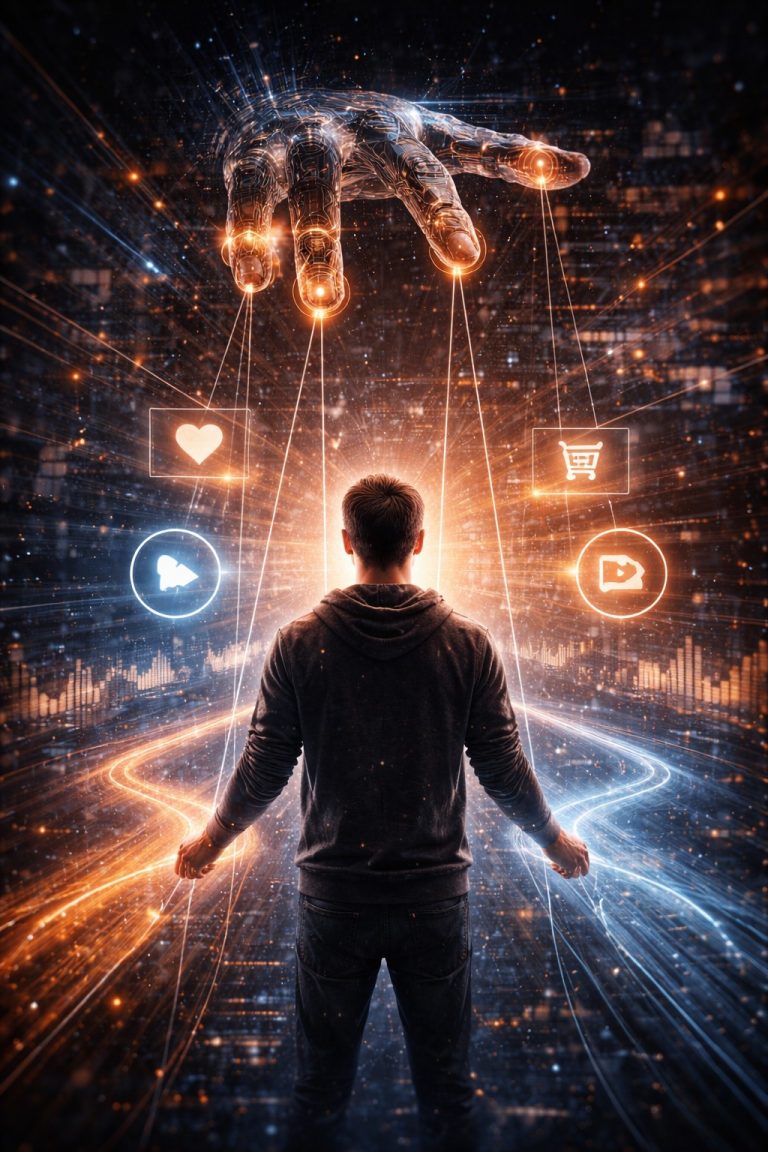
    Choice has long been understood as a defining feature of human agency. To choose is to express intention, preference, and identity. Yet as digital systems become more predictive, adaptive, and autonomous, the nature of choice itself is changing. Increasingly, decisions are anticipated before they are consciously made, and options are shaped before they are perceived….
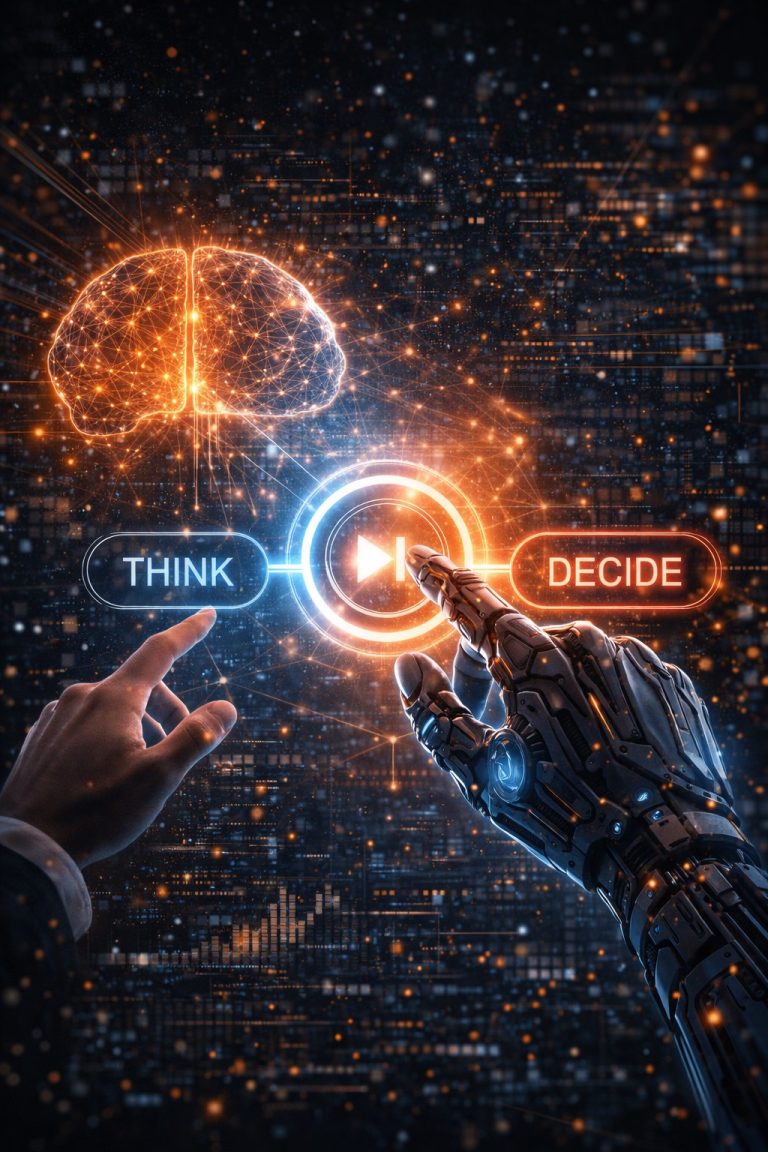
  • When Machines Predict Your Intent Better Than You Do

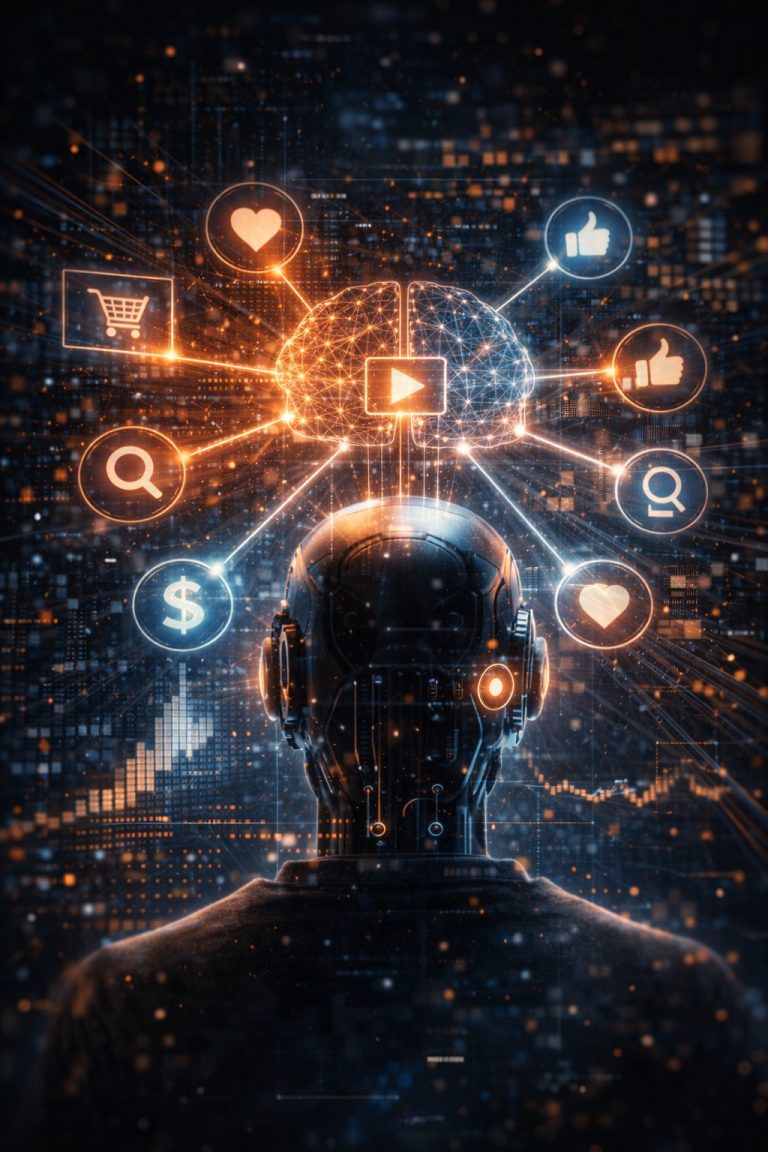
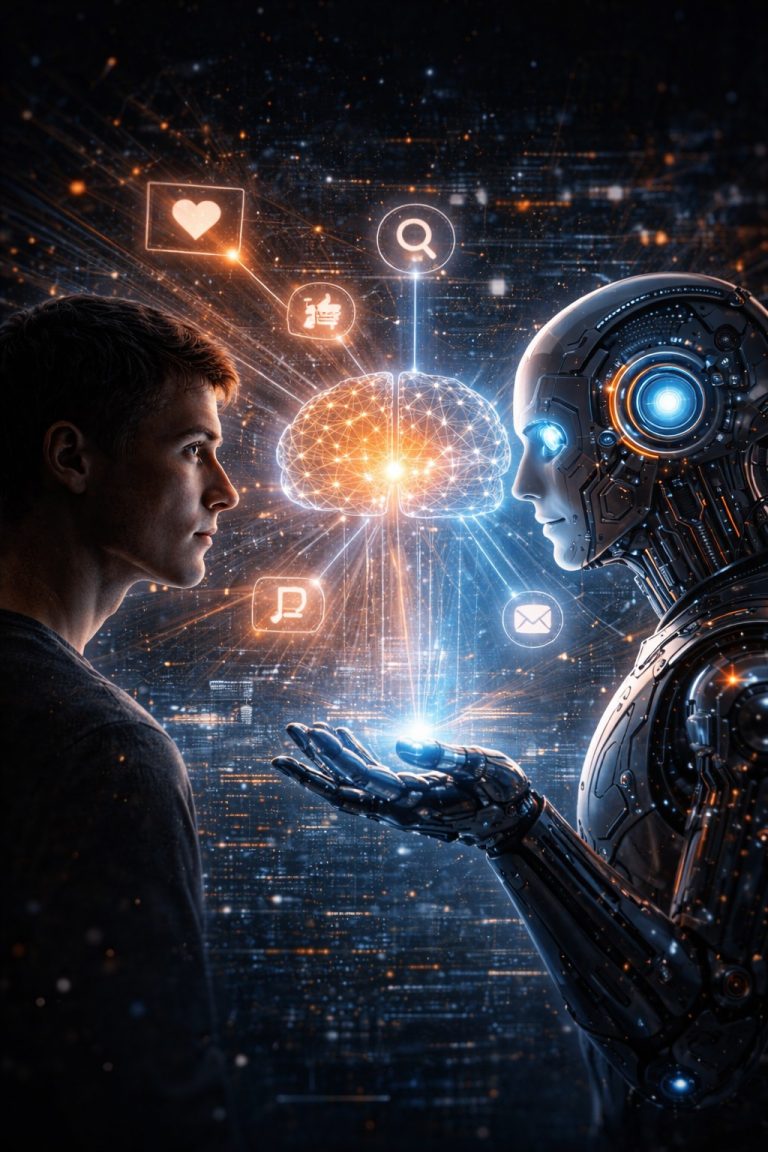
    It can be unsettling to encounter a system that seems to understand your next move before you consciously decide it yourself. Yet this experience has become increasingly common. From content recommendations and search suggestions to navigation and purchasing prompts, machines routinely anticipate human behavior with remarkable accuracy. These predictions are not based on intuition or…

  • Why We Decide Faster — and Think Less — Than Ever Before

    Decisions that once required time, reflection, and careful consideration are now made in seconds. From choosing what to read or watch to forming opinions and responding to information, modern decision-making is increasingly fast and automatic. Speed is often framed as efficiency, a necessary adaptation to an information-rich world. Yet this acceleration comes with a cost….

  • The Illusion of Free Choice in a Data-Driven World

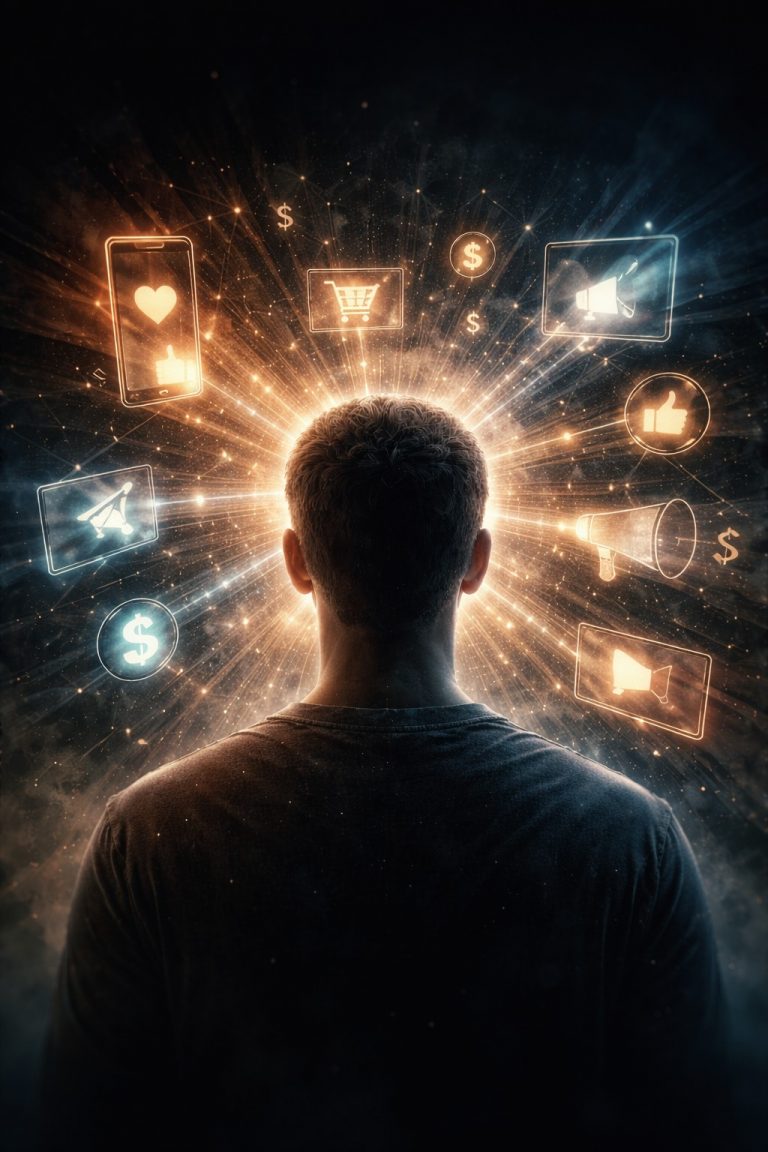
    Modern life offers an unprecedented number of choices. From what content to consume to which products to buy or opinions to explore, digital environments present decision-making as an expression of freedom. Yet beneath this surface abundance lies a more constrained reality. In a data-driven world, choices are increasingly shaped by systems that collect, analyze, and…

  • From Click to Conviction: How Algorithms Learn Your Intent

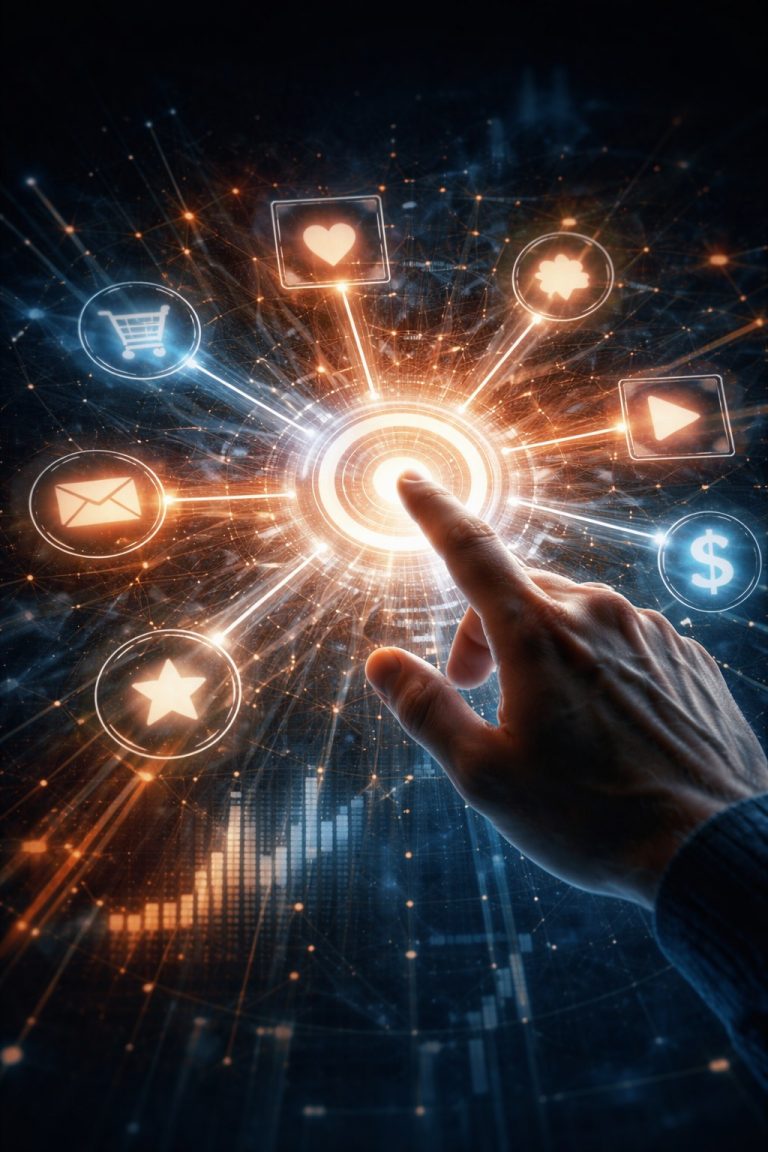
    A single click often feels insignificant—an impulsive action driven by curiosity, boredom, or momentary interest. Yet within digital systems, clicks are rarely treated as isolated events. They are signals, interpreted and contextualized by algorithms designed to detect patterns in human behavior. Over time, these patterns are transformed into assumptions about intent, preference, and belief. What…

  • Designed to Decide: How Digital Platforms Guide Your Choices

    Every day, people make hundreds of small decisions while interacting with digital platforms—what to click, what to watch, what to ignore, and what to believe matters. These choices often feel spontaneous, driven by curiosity or convenience. Yet most modern platforms are not neutral environments. They are carefully designed systems that anticipate user behavior and subtly…

  • When Desire Isn’t Yours: How External Signals Shape Our Intentions

    Desire often feels intimate and self-generated, as though it arises naturally from personal needs, preferences, or long-held values. Yet many of the intentions people act upon are quietly influenced long before conscious awareness begins. External signals—ranging from social cues and cultural narratives to digital interfaces and repeated exposure—play a significant role in shaping what individuals…

  • Why We Want What We Want: The Psychology Behind Human Intent

    Human intent often feels deeply personal, as if every desire, decision, and goal emerges entirely from within us. We like to believe that what we want is a direct reflection of who we are—our values, experiences, and aspirations. Yet psychology suggests a more complex reality. Human intent is shaped by a subtle interplay of internal…